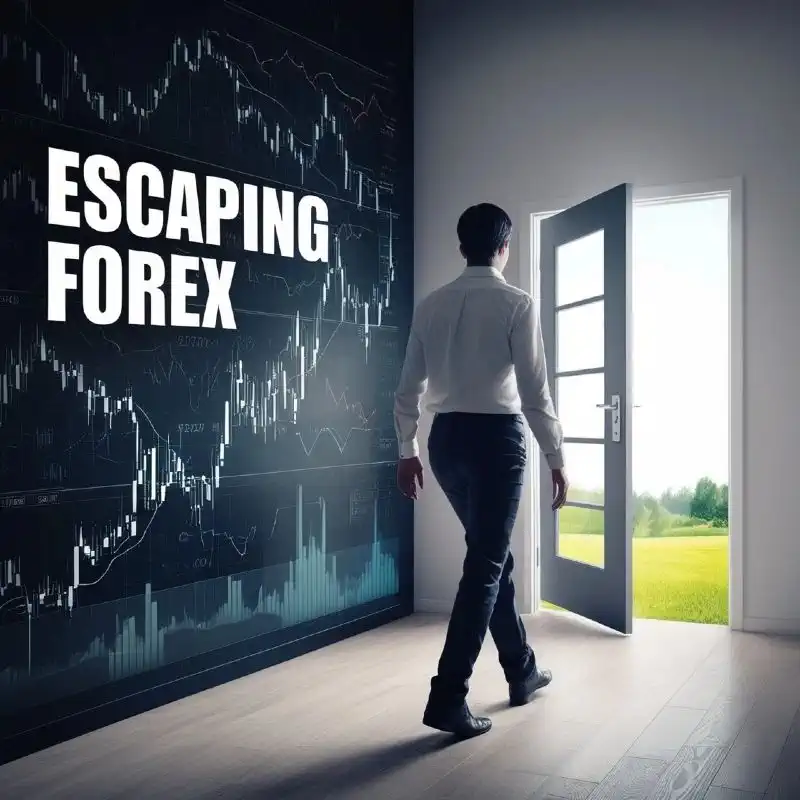
I’ll never forget that rainy Tuesday afternoon when I first stepped into the world of forex trading. The flickering screens, the constant chatter of traders, and the promise of quick riches in the air – it all seemed so exciting, so full of possibility. Little did I know that I was about to embark on a journey that would test not just my financial acumen but the very fabric of my mental well-being.
Forex trading, for the uninitiated, is the art (or, some would say, the gamble) of trading one currency against another. It’s a global market that never sleeps, where fortunes are made and lost in the blink of an eye. But let me tell you, it’s not just a game of numbers on a screen. It’s a beast that can devour your savings and your peace of mind in one fell swoop.
The Allure of the Forex Mirage
The appeal of forex trading is undeniable. Who wouldn’t want to make thousands of dollars from the comfort of their own home, armed with nothing but a computer and an internet connection? The stories of successful traders living lavish lifestyles, traveling the world, and enjoying financial freedom are plastered all over the internet. It’s a siren song that’s hard to resist.
I remember talking to Sarah, a bright-eyed college graduate, at a local trading seminar. “I’m going to be the next George Soros,” she declared confidently, her voice brimming with enthusiasm. “I’ve read all the books and watched all the YouTube videos. How hard can it be?” I smiled, recognizing the same naivety that had once gripped me. If only she knew the rollercoaster ride, she was about to embark on.
Tales from the Financial Abyss
Let me share with you some stories from the trenches, tales of real people whose lives were turned upside down by the forex market. These aren’t just cautionary tales; they’re windows into the very real human cost of chasing the forex dream.
Jack’s Descent: From Family Man to Forex Casualty
Jack was the quintessential family man – a loving husband, a doting father of two, with a stable job in marketing. We used to play golf every other weekend, and he’d always talk about his plans for his kids’ college funds and the family vacations they were saving up for. That all changed when he discovered forex trading.
It started innocently enough. Jack began with small trades, using money he’d saved from cutting back on his golf outings. Initial successes fueled his confidence, and soon, he was pouring more and more money into his trading account. “I’ve found my calling,” he told me one day, eyes gleaming with excitement. “This is how I’m going to give my family the life they deserve.”
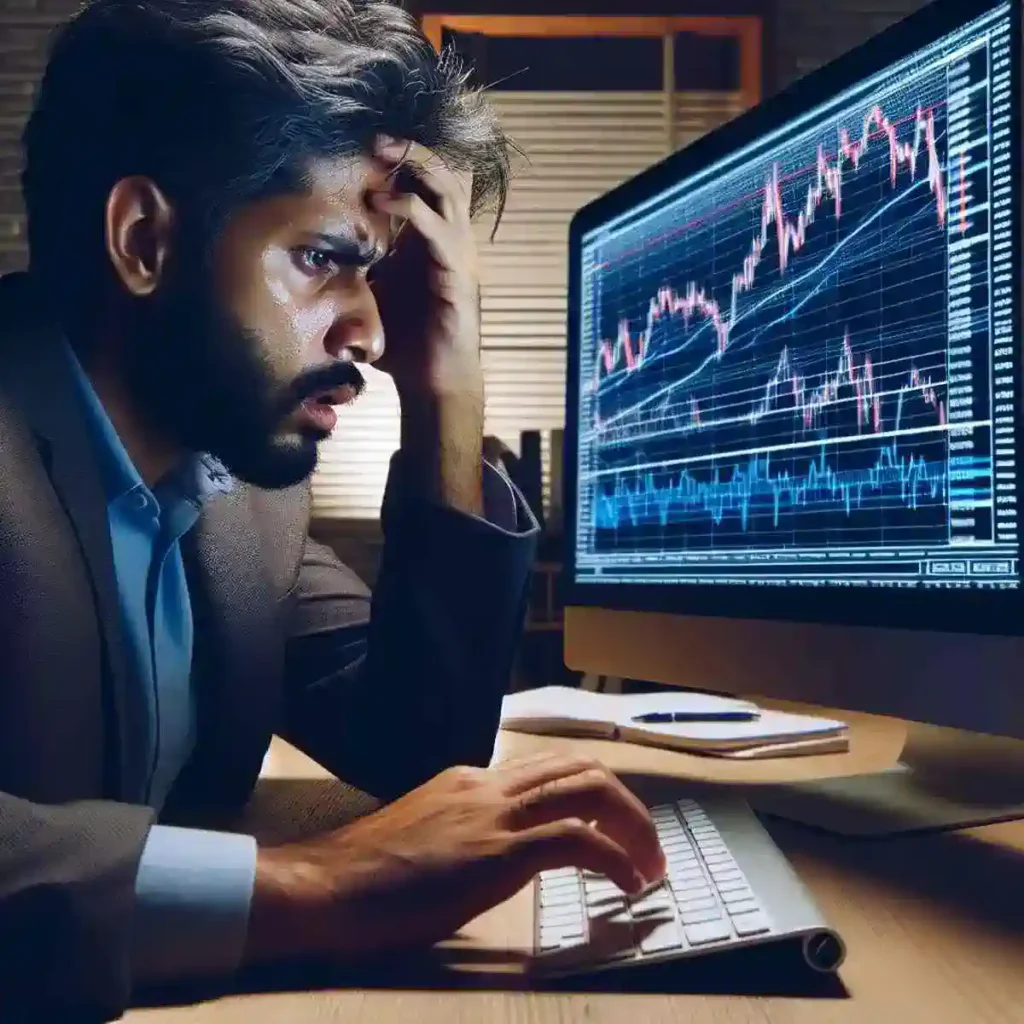
Fast forward six months, and I barely recognized the man sitting across from me at our local diner. Jack’s once-cheerful face was now a mask of anxiety and fatigue. He’d lost not just his savings but had secretly remortgaged their house to cover his trading losses. His marriage was on the rocks, and he was on the verge of losing his job due to his constant distraction.
“I kept thinking the next trade would turn things around,” he confessed, his voice barely above a whisper. “I couldn’t stop. Every loss just made me more desperate to win it back.” Jack’s story is a stark reminder of how quickly the pursuit of forex riches can spiral out of control, threatening not just finances but the very foundations of one’s life.
Sarah’s Struggle: The Young Dream Turned Nightmare
Remember Sarah, the aspiring George Soros? I ran into her a year after our first meeting, and the transformation was shocking. Gone was the bubbly, confident young woman. In her place stood a jittery, paranoid shadow of her former self.
Sarah had started trading with her modest savings, quickly getting caught up in the excitement of early wins. Encouraged by initial success, she began borrowing money to increase her trading capital. “I thought I had cracked the code,” she told me, her eyes darting nervously around the café where we sat. “Every loss felt like just a temporary setback before the big win.”
But the big win never came. Instead, Sarah found herself drowning in debt, her mental health deteriorating rapidly. She’d dropped out of her Master’s program, alienated her friends and family, and was now working two part-time jobs just to keep up with the interest on her loans.
“I can’t sleep, I can’t eat,” she confided. “Every time I close my eyes, I see currency pairs floating in front of me. I don’t know how to stop.” Sarah’s story illustrates the insidious way forex trading can consume a person’s life, turning a bright future into a waking nightmare.
The Psychological Toll: A Mind Under Siege
What truly terrifies me about forex trading is its psychological impact. It’s not just about losing money; it’s about losing yourself. The constant ups and downs of the market can wreak havoc on your mental state, turning even the most stable individuals into nervous wrecks.
Dr. Emily Chen, a psychologist specializing in financial stress disorders, shared some insights with me. “Forex trading activates the same brain regions as gambling addiction,” she explained. “The unpredictability of outcomes, the high-stress environment, and the potential for big wins create a perfect storm for psychological distress.”
She went on to detail the common symptoms she sees in her practice: chronic anxiety, depression, insomnia, and even symptoms of PTSD in extreme cases. “Many traders develop a distorted relationship with money and risk,” Dr. Chen added. “They lose the ability to make rational decisions, entering a cycle of chase and despair that’s hard to break.”

Michael’s Meltdown: When Trading Becomes Obsession
This psychological toll was vividly illustrated in the case of Michael, a former IT professional I met during a support group meeting for struggling traders. Michael had always been a numbers guy, confident in his ability to analyze data and spot patterns. Forex trading seemed like a natural fit for his skills.
What started as a hobby soon became an obsession. Michael would spend hours glued to his trading screens, analyzing charts and executing trades. He stopped going out, neglected his health, and eventually lost his job due to his constant distraction.
“I thought I could outsmart the market if I just worked hard enough,” Michael shared, his hands shaking as he spoke. “I didn’t realize I was losing myself in the process.” The turning point came when he suffered a panic attack so severe that he ended up in the hospital. It was a wake-up call that forced him to confront the toll trading had taken on his mental health.
The Illusion of Control: Why Forex is Not Like Other Investments
One of the most dangerous aspects of forex trading is the illusion of control it provides. Unlike traditional investments, where you might buy stocks in companies with tangible products or services, forex deals with the abstract world of currency values. This abstraction can lead to a dangerous detachment from reality.
James Miller, a financial advisor with over 20 years of experience, shared his perspective: “Many novice traders approach forex like it’s a skill-based game, similar to poker. They believe that with enough practice and the right strategy, they can consistently beat the market. This is a dangerous misconception.”
Miller explained that the forex market is influenced by a complex web of global economic factors, political events, and institutional trading that no individual trader can hope to fully grasp or predict. “It’s not about being smart or working hard,” he emphasized. “Even the most sophisticated traders and financial institutions can’t consistently predict forex movements.”
David’s Delusion: The High-Roller’s Fall
This illusion of control was painfully evident in the story of David, a trader I met at a finance conference. David exuded confidence, dressed in designer suits and boasting about his trading prowess. He claimed to have a “foolproof system” for beating the market.
For a while, David seemed to be living the forex dream. He drove luxury cars, lived in a penthouse, and was always eager to share tips on becoming a “forex millionaire.” But beneath the surface, cracks were beginning to show.
I ran into David again a year later, and the transformation was stark. The designer suits were gone, replaced by worn-out jeans and a haunted look in his eyes. Over a cup of coffee, he confessed the truth: his lifestyle had been funded by an inheritance, which he had now completely lost to forex trading.
“I really believed I had it all figured out,” he said, his voice filled with regret. “But every win just made me more reckless, and the losses… they just kept coming. I couldn’t admit I was out of my depth until it was too late.”
David’s story is a cautionary tale about the danger of overconfidence in forex trading. It shows how even apparent success can be a mirage, leading to even greater losses down the line.
The Road to Recovery: Finding Hope After Forex
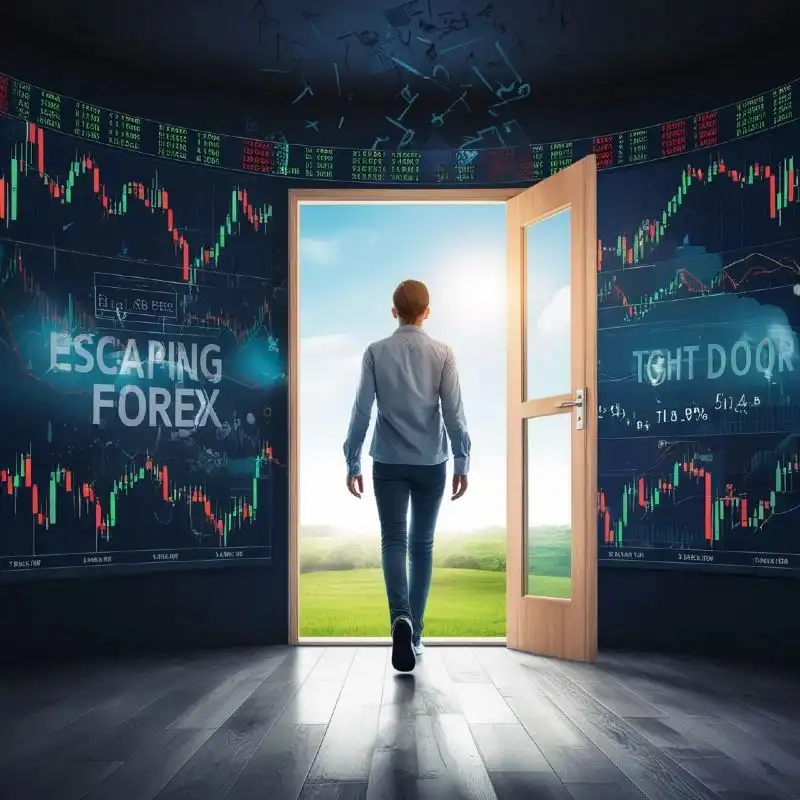
Despite these harrowing tales, there is hope for those who have been caught in the forex trap. The path to recovery isn’t easy, but with the right support and mindset, it’s possible to rebuild both financially and emotionally.
Anna’s story is a beacon of hope in this regard. A former forex trader who lost everything, Anna sought help from both financial advisors and mental health professionals. “It was the hardest thing I’ve ever done,” she told me. “Admitting that I had a problem and that I needed help felt like admitting defeat. But it was actually the first step towards victory.”
Anna worked with a financial planner to create a debt repayment plan and learn about more stable investment strategies. Simultaneously, she attended therapy sessions to address the anxiety and depression that had developed during her trading days.
“Recovery isn’t just about making back the money you lost,” Anna explained. “It’s about rebuilding your relationship with risk, with money, and most importantly, with yourself.” Today, Anna leads support groups for former traders, helping others find their way back from the brink.
Alternatives to Forex: Building Wealth Responsibly
For those still tempted by the allure of quick riches, it’s crucial to understand that there are safer, more reliable ways to build wealth. While they might not promise overnight success, they offer a much more stable path to financial security.
Emily, a former classmate who had briefly flirted with forex trading, shared her alternative path with me. “After seeing how volatile forex could be, I decided to invest in real estate instead,” she said. Emily researched the market carefully, saved for a down payment, and purchased a rental property.
“It’s not as exciting as watching currency pairs fluctuate on a screen,” Emily admitted with a laugh. “But there’s something deeply satisfying about owning a tangible asset that generates a steady income.” Over time, Emily has built a small portfolio of properties, creating a reliable stream of passive income without the stress and uncertainty of forex trading.
A Final Word of Caution
As I reflect on my journey through the world of forex trading and the stories I’ve encountered along the way, one thing becomes crystal clear: forex trading is not just a financial decision; it’s a life decision. It has the power to alter not just your bank balance but your relationships, your mental health, and your very sense of self.
To those still tempted by the siren song of forex riches, I urge you to pause and consider the real costs. Think of Jack’s shattered family life, Sarah’s derailed future, Michael’s health crisis, and David’s fall from illusory grace. Ask yourself if any potential gain is worth these risks.
And if you find yourself already caught in the forex whirlpool, remember Anna’s story. There is a way out, a path to recovery and redemption. It may not be easy, but it’s infinitely worth it. Your peace of mind, your relationships, and your future self will thank you for making the brave decision to step away.
In the end, true wealth isn’t measured by the balance in your trading account or the momentary thrill of a winning trade. It’s found in the stability of a good night’s sleep, the joy of stress-free time with loved ones, and the quiet confidence of steady, sustainable growth. These are the real riches that no currency fluctuation can ever take away.