
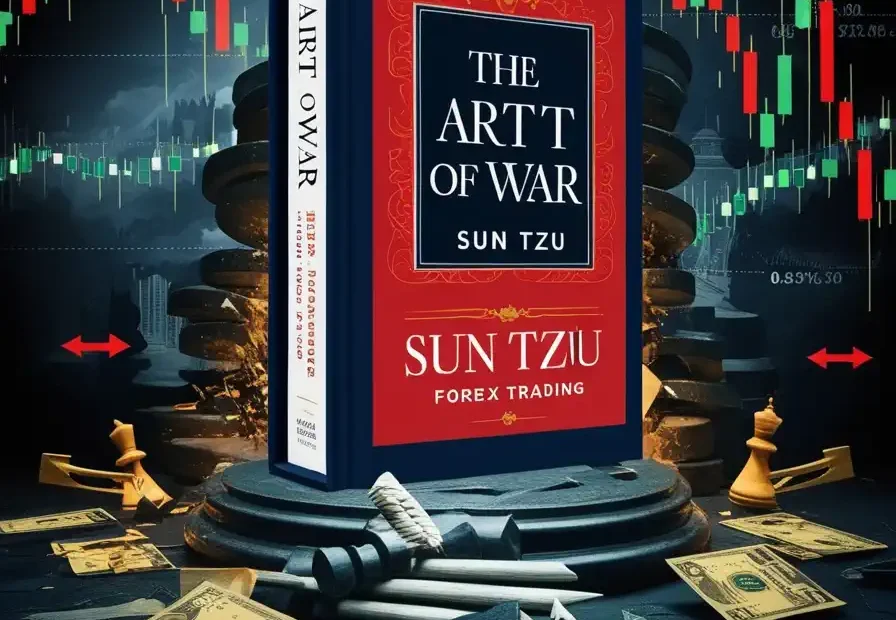
Sun Tzu’s famous advice, “If you know the enemy and know yourself, you need not fear the result of a hundred battles,” has been interpreted in countless ways, offering wisdom about preparation, awareness, and strategic foresight. But if we take his words seriously, they lead to a different conclusion when applied to Forex: if you truly know the enemy—and yourself—you realize that there’s no victory here. Forex isn’t a battlefield where wisdom and caution can bring success. It’s an illusion designed to entrap, no matter how much you prepare, learn, or strategize.
What happens in Forex isn’t a fair fight. It’s a trap, a never-ending cycle of false hope and inevitable disappointment. And the only way to “win” is to refuse to play—to walk away and preserve what truly matters. This article explores why Forex is, at its core, a losing game and why escaping it is the only path to freedom.
1. Understanding Forex for What It Is: An Illusion of Wealth
To those who haven’t yet ventured into Forex, the industry is like a glittering mirage. It promises wealth, freedom, and the thrill of quick profits. But just beneath the surface, there’s an industry built to pull people in and keep them trapped. Brokers and platforms use promises of financial independence and easy money to create the illusion that success is attainable. But the reality is much different: the odds are always against you, and the market is designed to benefit the brokers, not the traders.
Despite the courses, webinars, and endless advice that claim to offer paths to success, the structure of Forex is engineered to consume time, energy, and resources, leaving little to no real chance for personal profit. Those occasional “wins” only serve to deepen the illusion, keeping traders hopeful and engaged. In truth, these small victories are like the baits Sun Tzu warned about—deceptions that lead to ruin.
The truth: Forex is not a fair opportunity; it’s a maze of mirrors where every “win” is a trick, and the house always wins. Trying to outsmart it is futile, no matter how well-prepared you think you are.
2. Self-Awareness Won’t Save You
In Forex, knowing yourself—your limits, your tolerance for risk, your goals—should be enough to keep you safe, right? But self-awareness alone can’t protect you in this market because Forex isn’t built for traders to succeed, even with clear intentions and discipline. It doesn’t matter if you approach Forex cautiously or aggressively; its deceptive nature ensures that even the most aware trader will be caught off guard.
Many people enter Forex with the belief that they’ll stay disciplined, that they’ll walk away after one or two trades, but this rarely happens. The market is designed to pull people in deeper with each trade, playing off emotions and creating a psychological trap. Knowing yourself is powerful, but in Forex, it’s powerless against the pull of the system.
The truth: Forex doesn’t reward self-discipline or careful planning. Instead, it exploits them, turning traders’ strengths into weaknesses that keep them coming back for more.
3. The Market Makers: Unseen Players Rigging the Game
Forex isn’t just unpredictable; it’s also heavily controlled by entities known as market makers. These powerful players set currency prices and control the liquidity of the market. Most retail traders can’t compete against this level of control. In fact, they’re trading in a system where the odds are stacked against them from the start.
Market makers have access to extensive data and can use their influence to adjust prices in ways that suit their own interests. This isn’t a conspiracy; it’s the reality of a system designed to profit from traders’ losses. While retail traders hope to profit from this market, the market itself profits from them.
The truth: In Forex, you’re not just competing against other traders; you’re up against entities that essentially control the game. There’s no equal footing here, no matter how well you know the terrain.
4. The Trap of Temporary Wins
Sun Tzu advises against forming attachments to minor successes in battle, and for good reason. In Forex, every small “win” is bait, a means of keeping traders invested in a game they’re bound to lose. These minor victories spark hope, and that hope keeps people in the game long after they should have walked away.
The truth is, these small wins rarely compensate for the losses that come after. They serve as a form of psychological manipulation, making traders believe that bigger wins are just within reach. But with each subsequent trade, the losses mount, and those initial wins feel like they’re slipping away. It’s a cycle that Forex brokers understand all too well and one they use to their advantage.
The truth: Forex wins are like sand slipping through your fingers. They don’t add up; they just keep you reaching for more, ultimately leading to losses that far outweigh any gains.
5. You Can’t Plan for the Unplannable
In traditional investments, having a strategy means you can mitigate risks, limit losses, and increase your chances of profit. But Forex doesn’t operate by these rules. Strategies don’t protect you from the relentless volatility of currency trading or from the manipulation by larger players.
Many enter Forex believing they can beat the odds with a calculated plan, but this market doesn’t follow predictable patterns. It’s influenced by forces far beyond an individual’s control, including global political events, economic policies, and sudden, drastic market shifts. No matter how well-constructed a plan may be, Forex trading leaves no room for certainty, making planning feel almost pointless.
The truth: In Forex, even the best plans fall apart. It’s like building on quicksand, where no amount of strategy can create a stable foundation.

6. Forex Drains the Spirit as Much as the Wallet
Sun Tzu said that in war, the objective is victory, not prolonged campaigns that drain resources. Forex, by its very nature, is a prolonged campaign, one that drains not just money but emotional resilience. Many traders find themselves locked in a mental battle, where each loss pushes them to try “just one more trade” to recover.
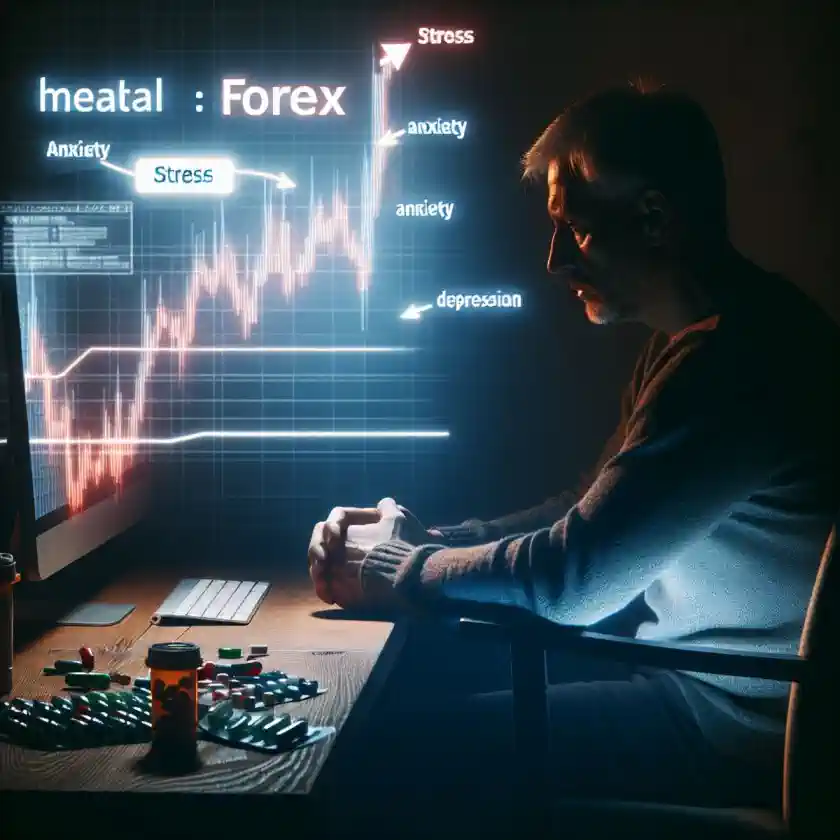
The constant cycle of hope and disappointment leaves people emotionally drained, feeling like they’re chasing something just out of reach. This mental toll isn’t something you can recover from overnight. It affects relationships, health, and well-being. Eventually, it becomes clear that the market has taken far more than it could ever give.
The truth: The cost of Forex isn’t only financial. It takes a toll on mental health and personal relationships, leaving traders isolated, exhausted, and disillusioned.
Conclusion
Forex is a master of illusion, a deceptive force that entices people with the promise of wealth and freedom but delivers something far darker. If you truly “know the enemy” in Forex, you understand that the only way to win is not to play. There’s no strategy, no amount of preparation, and no level of awareness that can change the fact that this market isn’t built for individual success. It’s built to consume, to drain, and to keep people hooked.
Escaping Forex means recognizing the illusion for what it is and choosing to walk away. This isn’t an easy realization to come to, especially for those already entangled in its web. But leaving Forex is the only real victory, a choice that frees you from the cycle of loss and restores your time, energy, and peace of mind. In the end, the best strategy isn’t to fight Forex—it’s to choose a path where true growth and stability can flourish.