

Introduction: A Sleepless Night in the World of Forex
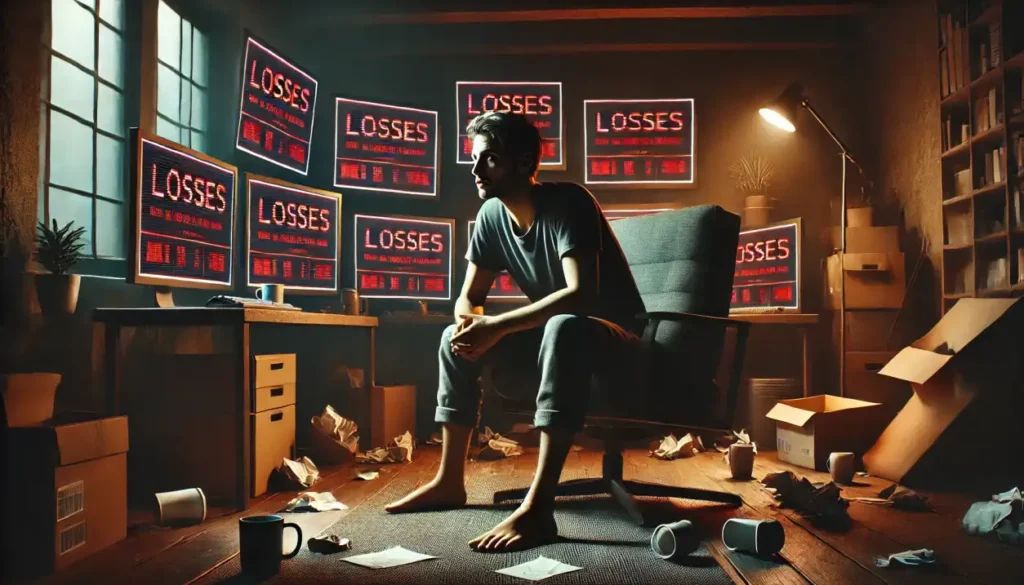
The soft glow of multiple monitors pierces the darkness at 3 AM, casting an eerie blue light across a face marked by exhaustion and desperation. Another sleepless night, another margin call, another promise broken to loved ones about “just one more trade.” This scene, playing out in countless homes across the globe, marks the beginning of a story all too familiar to those caught in the grip of Forex trading addiction. Yet, within this darkness lies the possibility of dawn – a path to recovery that begins with understanding and ends with transformation.
The Allure of Forex Addiction: A Facade of Legitimacy
The journey of healing from Forex trading addiction is not unlike recovering from other compulsive behaviors, but it carries its own unique challenges. The markets never sleep, smartphones make trading accessible 24/7, and the illusion of “making it back” constantly whispers seductive promises of redemption. What makes this addiction particularly insidious is its veneer of legitimacy – after all, trading is a profession for some, making it harder for addicts to acknowledge their problem.
Warning Signs: Have Your Trades Crossed the Line?
“I kept telling myself I was an investor, a trader, someone building their future,” shares Michael, a recovering Forex trading addict who began his healing journey after losing his life savings and nearly his family. “But investors don’t wake up in cold sweats checking their positions. They don’t hide their trading activities from their spouses. They don’t feel that consuming urge to recover losses that drives you to take bigger and bigger risks.”
The first step in recovery comes with recognition – understanding that Forex trading has crossed the line from a financial activity into an addiction. The signs mirror other addictive behaviors: preoccupation with trading, increasing time spent analyzing markets, failed attempts to stop or control trading, lying about trading activities, and continuing despite severe negative consequences to relationships, work, and financial stability.
Beyond the Numbers: Understanding the Root Causes of Addiction
But recognition alone isn’t enough. True recovery requires understanding the deeper emotional currents that pull us into the undertow of compulsive trading. This is where the H.A.L.T. framework (an acronym for Hunger, Anger, Loneliness, and Tiredness) becomes invaluable – a mirror reflecting the emotional states that often trigger destructive trading behavior.
The H.A.L.T. Framework: Addressing Emotional Triggers
When we’re Hungry – not just for food, but for fulfillment, success, or validation – the quick dopamine hits of Forex trading can seem like nourishment. The emotional void left by career disappointments, personal failures, or unfulfilled dreams creates a hunger that the markets seem to promise to satisfy.
Anger often manifests as revenge trading – that desperate attempt to “get back” at the market for our losses. It’s a futile battle against an indifferent opponent, yet one that can consume us entirely. The market becomes personified as an enemy to be defeated, leading to increasingly irrational decisions.
Loneliness plays a particularly cruel role in trading addiction. The isolation of late-night trading sessions, the false sense of community in trading forums, the illusion of connection to a global marketplace – all serve to temporarily mask but ultimately deepen our sense of disconnection from real human relationships.
And when we’re Tired – physically, emotionally, or spiritually – our decision-making becomes impaired, yet the markets continue to beckon. Exhaustion breaks down our natural defenses against impulsive behavior, leading to poor trading decisions that perpetuate the cycle of loss and chase.
Mood Tracking: A Path to Self-Awareness
Sarah, another recovering trader, found her way back through daily mood tracking – a practice adapted from addiction recovery programs. “I started documenting not just my trades, but my emotional state before, during, and after trading. The patterns were impossible to ignore. My biggest losses always came when I was trying to trade my way out of emotional pain rather than deal with the real issues in my life.”
Building a Healthy Relationship with Money and Emotions
Recovery requires building a new relationship with both money and emotions. This often means developing a personal inventory of trading triggers – those situations, feelings, or thoughts that activate the compulsion to trade. For some, it’s boredom; for others, it’s financial stress or feelings of inadequacy. Understanding these triggers is essential, but even more crucial is developing healthy alternative responses.
Seeking Support: The Importance of Professional Help
James, now two years into his recovery, shares his turning point: “I realized I needed to replace trading with activities that actually fulfilled the needs I was trying to meet through the markets. I joined a local investment club for the educational aspect, started practicing mindfulness for the emotional regulation I was seeking, and reconnected with old hobbies that gave me the sense of engagement I was looking for in trading.”
The path to recovery often requires professional support – therapists who understand both addiction and financial behaviors. Many find that the principles used in treating other addictions can be adapted to address trading compulsion. Cognitive behavioral therapy, in particular, has shown promise in helping traders identify and modify the thought patterns that drive destructive trading behavior.

Redefining Success: What Truly Matters?
Perhaps most importantly, recovery from Forex trading addiction requires a fundamental shift in how we view success, failure, and self-worth. The markets can become a proxy for deeper issues – a way to prove our intelligence, worth, or ability to succeed. True recovery means finding healthier ways to establish self-worth and achieve personal fulfillment.
The Foundation of Recovery: Physical and Mental Well-being
Physical well-being plays a crucial role in recovery. Regular exercise, proper sleep habits, and healthy nutrition provide the foundation for better decision-making and emotional regulation. Many recovering traders find that simply maintaining regular sleep patterns – rather than trading at all hours – creates a barrier against relapse.
The Role of Loved Ones: Building Trust and Seeking Support
The role of family and friends in recovery cannot be overstated. Rebuilding trust with loved ones, being honest about struggles, and accepting support are essential steps in the healing process. This often means having difficult conversations about financial losses and making amends for past behaviors.
Recovery as a Journey: Patience and Perseverance
Recovery is not a linear process. Relapses may occur, but they don’t negate progress. Each setback can provide valuable insights into triggers and vulnerabilities that still need addressing. The goal isn’t perfection but progress – moving toward a healthier relationship with money, risk, and self-worth.
Freedom of Choice: A Life Beyond Addiction
“The hardest part,” reflects Michael, “was accepting that I couldn’t trade ‘normally.’ Just like an alcoholic can’t drink socially, I had to accept that for me, any trading was too much trading. But with that acceptance came freedom – freedom from the constant anxiety, the crushing losses, the lies, and the shame.”
Conclusion: True Wealth Beyond Profits
For those seeking recovery, the journey begins with a single step – acknowledging the problem and reaching out for help. It continues with daily commitment to self-awareness, emotional honesty, and healthy coping mechanisms. The path may be challenging, but the reward is priceless: reclaiming not just financial stability, but personal integrity, relationships, and peace of mind.
Recovery means understanding that true wealth isn’t measured in pips and profits, but in the quality of our relationships, the peace in our hearts, and the authenticity of our lives. The markets will continue their endless dance of ups and downs, but we can choose to find our stability elsewhere – in real connections, meaningful work, and genuine self-worth.
The monitors can be turned off. The trading apps can be deleted. A new day can dawn – one where success is measured not by the size of our trading account, but by the richness of our lives beyond the charts.